OROKO HERITAGE
Traditional Rites & Rituals of the Oroko People
The beauty of the Orokos
Chieftaincy & Traditional Authority
Chieftaincy, Crowning, and Traditional Authority
Traditional authority in Oroko society is rooted in Service, Legitimacy, Ancestral continuity, and Public trust.
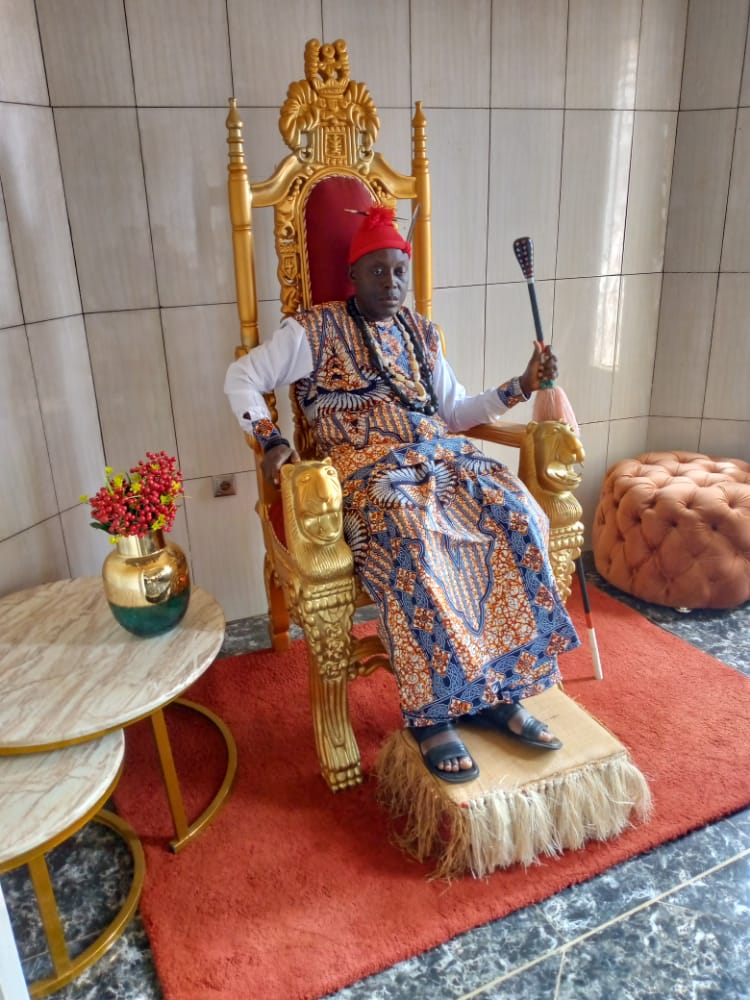
Traditional authority in Oroko society is rooted in service, legitimacy, ancestral continuity, and public trust. The chief is not merely a political figure; he is a custodian of land, memory, order, and communal identity. In many Oroko communities, the chief works with elders, family heads, title holders, women’s leadership structures, and cultural custodians to guide village affairs.
The crowning or public recognition of a chief is not only an installation ceremony. It is a movement from private identity into public responsibility. Regalia, symbolic objects, greetings, council recognition, ancestral memory, and communal witnesses all help communicate that the individual now carries a sacred trust.
For Oroko people in the diaspora, understanding chieftaincy helps preserve respect for village authority and reminds younger generations that leadership in Oroko culture is tied to responsibility, wisdom, restraint, and service.
Traditional authority is not only about title. It is about responsibility, service, memory, and the protection of communal identity.
Birth, Motherhood & Family
Birth, Motherhood, and the Protection of New Life
Birth brings a new person into the family, clan, and wider community, renewing the family line.
Birth is one of the most important transitions in Oroko family life. It brings a new person into the family, the clan, and the wider community. Traditional practices surrounding pregnancy and birth are therefore concerned with protection, discipline, motherhood, and the safe arrival of the child.
Older generations often taught expectant mothers rules of restraint, caution, and responsibility. These practices should be presented today as cultural memory, not as medical instruction. They show how the community understood pregnancy, danger, protection, motherhood, and family responsibility before modern health systems became common.
A modern Oroko heritage page should honor the wisdom of mothers and elders while encouraging families to combine cultural respect with modern medical guidance.
In Oroko tradition, birth is more than the arrival of a child. It is the renewal of family, ancestry, and community.
Marriage in Orokoland
Marriage as Family Union, Continuity, and Social Agreement
Marriage in Oroko culture joins families, lineages, obligations, respect, and community memory.
Marriage in Oroko culture is not just a private relationship between two people. It is a union between families, lineages, and communities. It creates social bonds, confirms responsibilities, and extends the family line.
Traditionally, marriage began with careful family inquiry. Families looked at character, reputation, work ethic, social conduct, and family background before formal steps were taken. The introduction, often understood as a form of “knock door,” allowed the groom’s family to approach the bride’s family with respect and seriousness.
Traditional marriage gifts symbolized honor, family obligation, and continuing relationship. They were not meant to reduce a daughter to property. A good modern presentation should show Oroko marriage as a dignified system of respect: respect for parents, respect for the bride, respect for family reputation, and respect for continuity.
Oroko marriage is not only a wedding day. It is a covenant of families, memory, responsibility, and continuity.
Death, Mourning & Memory
Death Ceremonies and the Duty of Remembrance
Mourning in Oroko culture is communal. The family grieves, but the community stands with them.
Death ceremonies among the Oroko people are deeply tied to kinship, mourning, obligation, and ancestral memory. The death of a loved one is not treated as a private burden for one household alone. It calls the wider family, village, and community into visible acts of sympathy and support.
Funeral observances give structure to grief. They allow families to honor the dead, receive support, fulfill obligations, and preserve the dignity of the person who has passed. In many settings, mourning is shown through gatherings, food, symbolic clothing, public condolences, songs, prayers, and the presence of family and community.
In Oroko culture, mourning is communal. The family grieves, but the village stands with them.
Glossary
Important Oroko Cultural Terms
The spellings and pronunciation of these terms vary by clan, village and dialect. But generally their meanings are the same across the board.
Wooden drum used historically for communication and ceremonial sound.
Special symbolic bundle or object carried by messengers to communicate meaning between communities.
Introductory marriage rite, often compared to “knock door.”
Traditional act indicating serious marriage interest and reserving the bride from other suitors.
Death celebration or funeral observance.
Cloth tied around a bereaved person as a sign of mourning and solidarity.
Raffia broom used as a symbol of authority by family heads, village heads, chief priests, and chiefs.
“Father of the land,” a traditional male authority figure in community ceremony.
“Mother of all women,” a respected female leadership role in some Oroko communities.
A special death-related ritual category connected to child loss and family protection.
Oroko traditional customs vary by clan, village, family, and religious backgrounds. This page is intended as a spotlight into some of the sacred rites and rituals that have been transferred down from generations. We welcome corrections and contributions from Oroko elders, chiefs, cultural leaders, and families.
Preserve the Culture
Help Us Preserve Oroko Heritage
Oroko culture has survived through memory, family teaching, village gatherings, oral history, songs, dances, food, ceremonies, and the wisdom of elders. If you are an elder, cultural custodian, family historian, chief, title holder, mother, father, or young Oroko person with knowledge of our customs, we invite you to contribute.